Army Carries Out Planned Detonation of Lead Azide Stockpile Near Iowa Farmland
The service says destroying 68 barrels of the volatile compound in a controlled blast was needed to avoid an unplanned explosion.
By WARTOON NEWS Newsroom, with AI assistance
· 1 min read
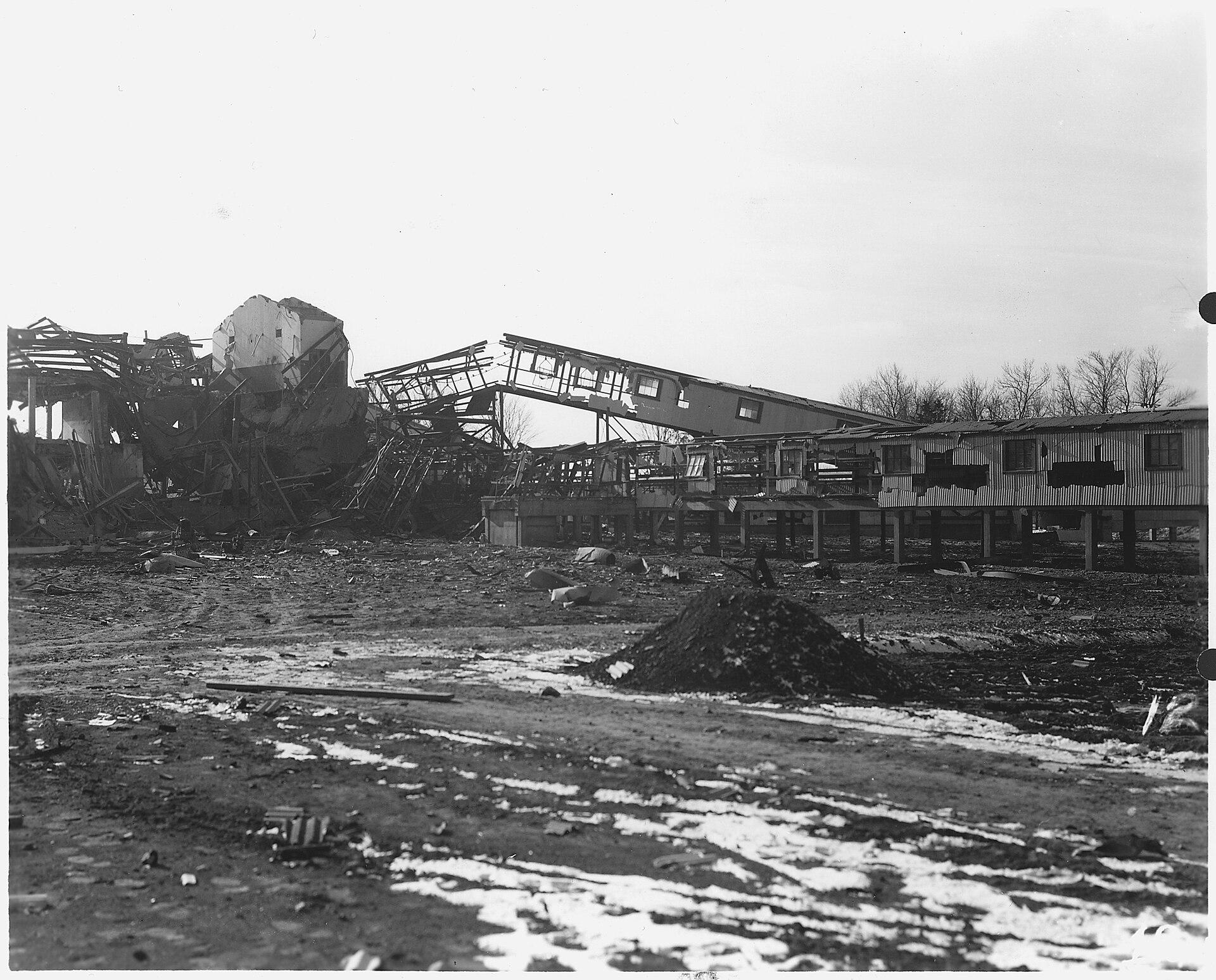
The U.S. Army carried out its planned detonation of stored lead azide in Iowa on Wednesday morning, according to the service, with a blast heard and smoke seen rising over nearby farmland, Military Times and Defense News reported.
The BBC reported that the controlled detonation involved 68 barrels of lead azide, which it described as a highly volatile compound. The Army said the operation was necessary to prevent an unplanned explosion.
What the sources report
According to Military Times and Defense News, which published identical reports, the Army proceeded with the detonation as scheduled. Both outlets described a blast being heard and smoke rising over farmland around the detonation site. The BBC likewise reported smoke appearing after an explosion was heard near the Army site.
The reports attribute the reasoning for the operation to the Army: that carrying out a controlled detonation was needed to avoid the risk of an uncontrolled blast from the stored material.
What is not yet clear
The source material provided does not say whether any injuries or damage occurred, how far the blast was heard, whether any evacuations or public safety measures were in place, or how long the smoke persisted. It also does not explain why the lead azide was being stored, how it came to be considered a hazard, or what environmental monitoring is planned after the detonation. These points would need to be confirmed with the Army or local authorities.
The sources do not describe any next steps following the detonation.
What we know, and how we know it
- Officially confirmed
The Army went ahead with its planned detonation of lead azide reserves on Wednesday morning.
Attributed to U.S. Army, as reported by Military Times and Defense News. Sources: Military Times · Defense News
- Officially confirmed
The controlled detonation involved 68 barrels of lead azide.
Attributed to U.S. Army, as reported by BBC News. Source: BBC News
- Government claim
The Army said the controlled detonation was necessary to prevent an unplanned explosion.
Attributed to U.S. Army, as reported by BBC News. Source: BBC News
- Independently reported
A blast was heard and smoke was seen rising over farmland near the site.
Attributed to Military Times, Defense News and BBC News. Sources: Military Times · Defense News · BBC News
Sources
- 01
Smoke appears after explosion heard in Iowa near Army detonation site
BBC News · Major news organization · Published November 25, 2026 · Accessed November 25, 2026
- 02
Blast heard, smoke seen rising over farmland near Iowa Army lead azide detonation site
Military Times · Defense specialist publication · Published November 25, 2026 · Accessed November 25, 2026
- 03
Blast heard, smoke seen rising over farmland near Iowa Army lead azide detonation site
Defense News · Defense specialist publication · Published November 25, 2026 · Accessed November 25, 2026
Spotted an error? Request a correction. Read our editorial standards.
Related coverage
US Army Detonates Aging Lead Azide Stockpile at Iowa Ammunition Plant Amid Contamination Concerns

Navy Says It Has No Intention of Renaming Aircraft Carrier USS Doris Miller

Fort Hood Shooter Nidal Hasan Asks Federal Court to Delay Scheduled Execution