
NATO's 5% Pledge, Explained
At The Hague in June 2025, allies committed to a new defense-spending target for 2035. Here is what counts toward it, and what does not.
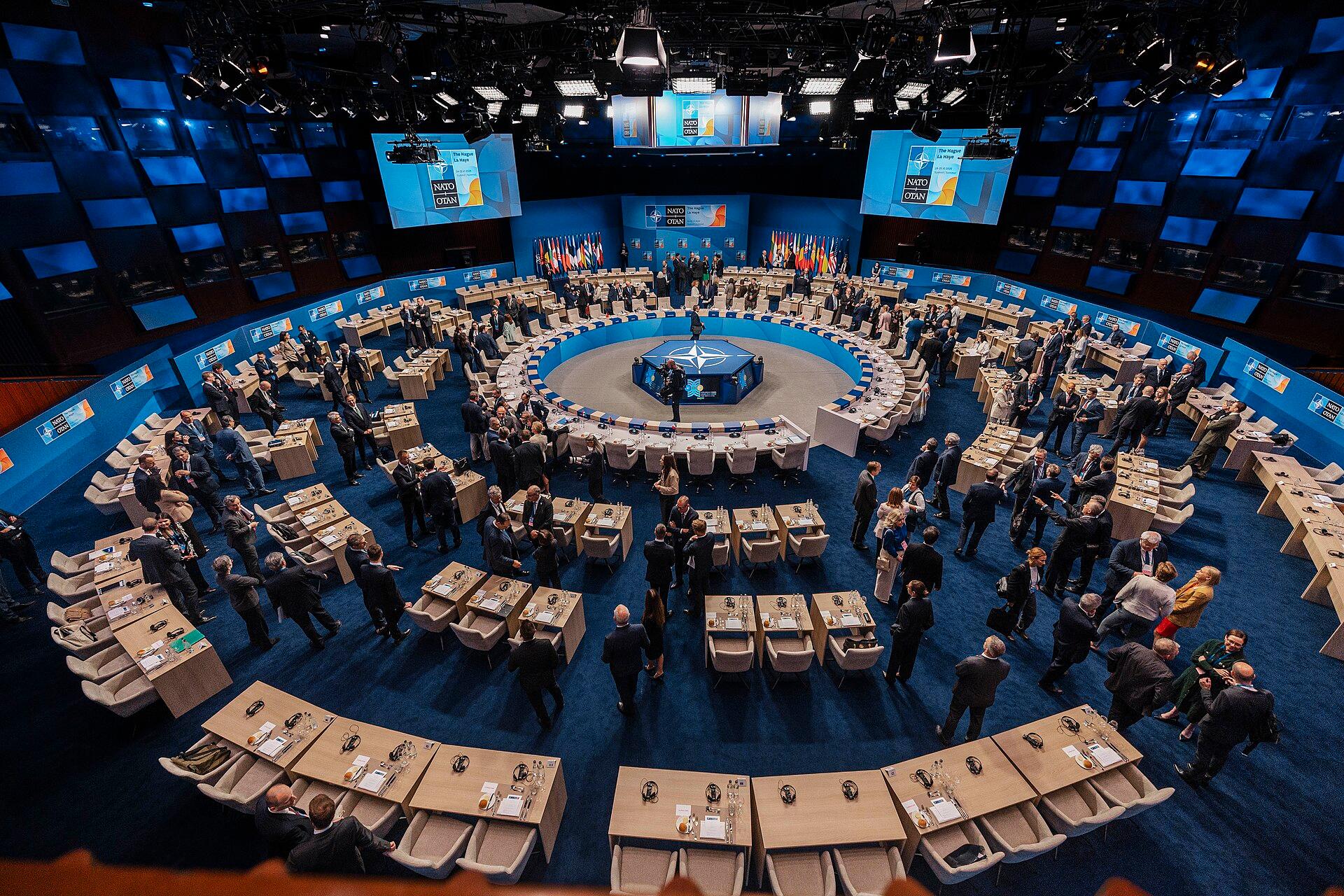
At their summit in The Hague in June 2025, NATO leaders agreed that allies would invest 5% of GDP annually in defense and security-related spending by 2035.
How the 5% is split
According to The Hague Summit Declaration, the commitment has two parts:
- At least 3.5% of GDP on core defense requirements, as defined by NATO.
- Up to 1.5% of GDP on defense- and security-related spending, such as protecting critical infrastructure, civil preparedness, innovation and the defense industrial base.
Allies also agreed to submit annual plans showing a credible path toward the target.
Why it matters
The previous benchmark, agreed in 2014, was 2% of GDP. The new target is a step change, and it will shape European procurement, defense-industry investment and national budgets for a decade.
The caveats
The pledge is political. Each ally decides its own budget, and the definitions of the 1.5% category leave room for interpretation. WARTOON NEWS tracks spending with SIPRI and NATO data rather than announcements.
Military burden: spending as a share of GDP
Percent of gross domestic product, latest available year (most recent: 2025)
- Ukraine39.6%
- Israel7.8%
- Russia7.5%
- Saudi Arabia6.5%
- Poland4.5%
- United States3.1%
- United Kingdom2.4%
- India2.3%
- Germany2.3%
- Iran2.1%
- France2.0%
- Turkey1.9%
- China1.7%
- Japan1.4%
Source: SIPRI Military Expenditure Database, via Our World in Data · CC BY 4.0 · Retrieved Nov 25, 2026, 1:34 PM UTC
Methodology: SIPRI figures include personnel, operations and maintenance, procurement, military R&D, infrastructure and military aid. Values for some countries (including China and Russia) are SIPRI estimates because official data is incomplete or not transparent. Figures are in constant 2024 US dollars (adjusted for inflation). Share of GDP uses SIPRI's own GDP series.
View data table
| Ukraine | 39.6% | 2025 |
| Israel | 7.8% | 2025 |
| Russia | 7.5% | 2025 |
| Saudi Arabia | 6.5% | 2025 |
| Poland | 4.5% | 2025 |
| United States | 3.1% | 2025 |
| United Kingdom | 2.4% | 2025 |
| India | 2.3% | 2025 |
| Germany | 2.3% | 2025 |
| Iran | 2.1% | 2025 |
| France | 2.0% | 2025 |
| Turkey | 1.9% | 2025 |
| China | 1.7% | 2025 |
| Japan | 1.4% | 2025 |
Demonstration content showing the Explainer format.
What we know, and how we know it
- Officially confirmed
Allies committed to invest 5% of GDP annually in defense and security-related spending by 2035, of which at least 3.5% is for core defense.
Attributed to NATO. NATO
Sources
- 1.The Hague Summit Declaration
NATO · Official / government · Published June 25, 2025 · Accessed November 24, 2026
- 2.Funding NATO
NATO · Official / government · Accessed November 24, 2026
Spotted an error? Request a correction. Read our editorial standards.