Why the Strait of Hormuz Remains the World's Most Important Oil Chokepoint
A narrow channel between Iran and Oman carries a share of the world's oil that no pipeline network can fully replace. Here is what passes through it, and why markets react to every threat against it.
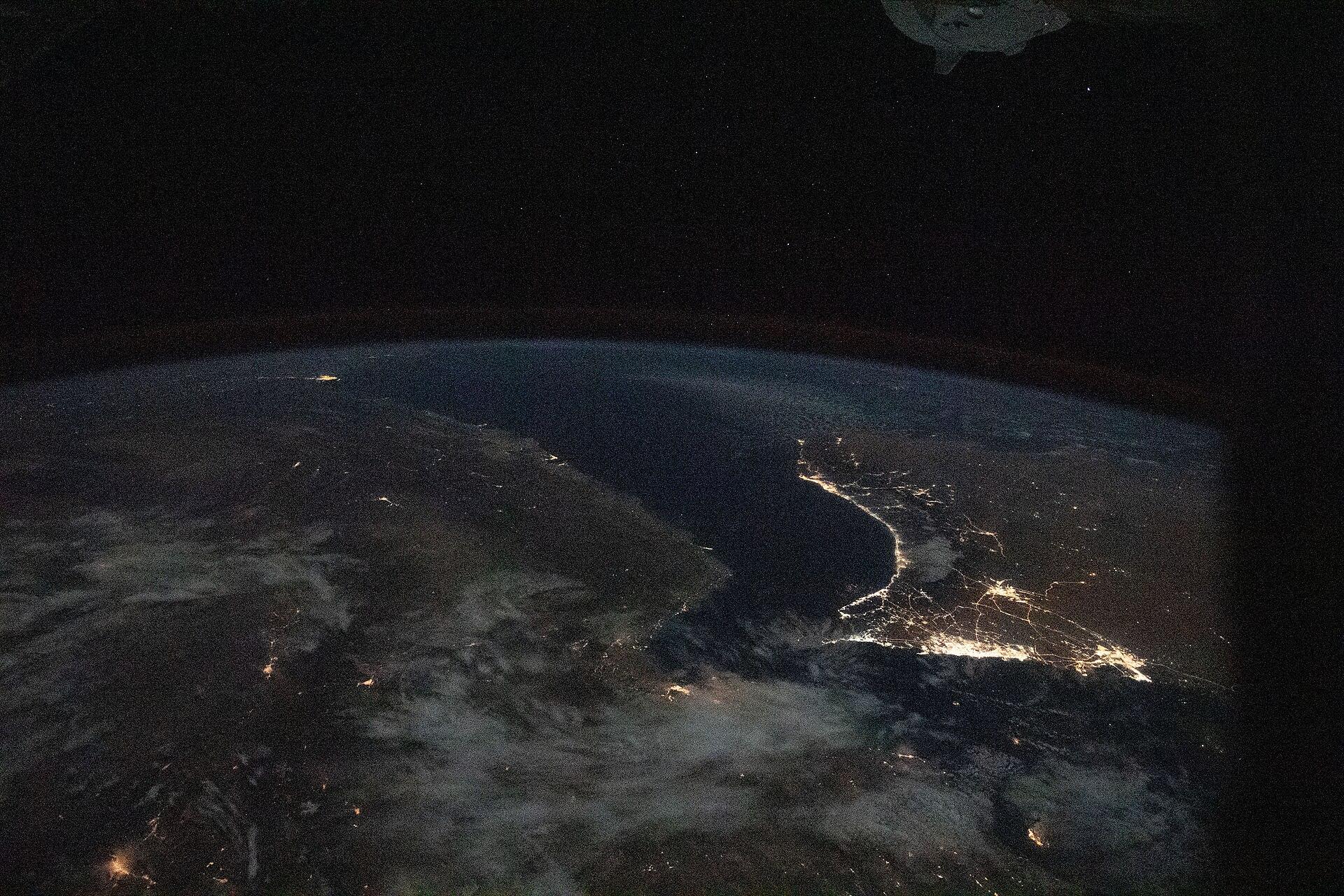
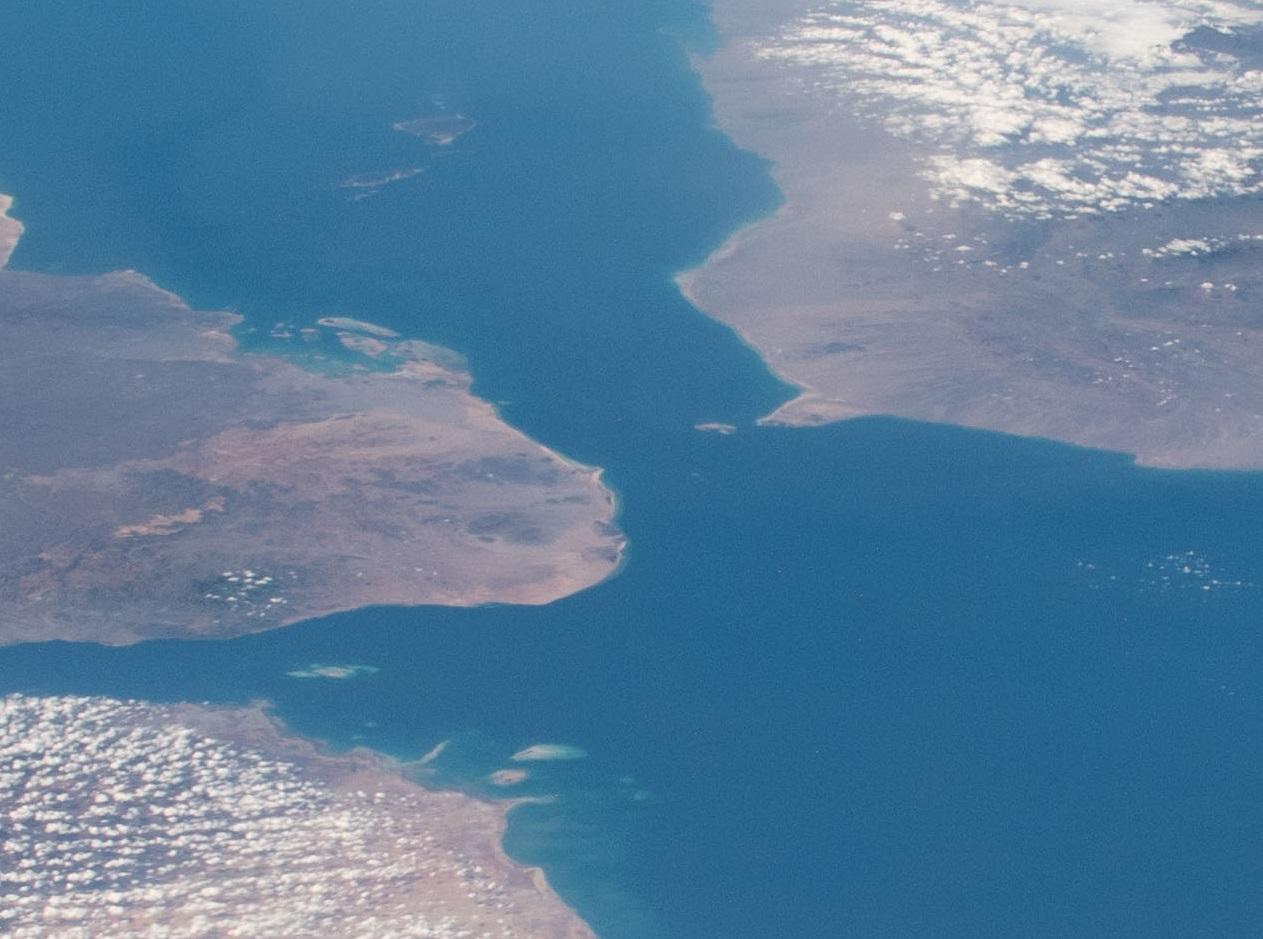
The Strait of Hormuz is a short stretch of water between Iran to the north and Oman's Musandam peninsula to the south. It is the only sea route out of the Persian Gulf, which makes it the exit for much of the oil and liquefied natural gas exported by Saudi Arabia, Iraq, Kuwait, the United Arab Emirates, Qatar and Iran itself.
How much passes through
The US Energy Information Administration (EIA) describes Hormuz as the world's most important oil transit chokepoint. In its analysis, flows through the strait in 2022 and the first half of 2023 were equivalent to about one-fifth of global petroleum liquids consumption. Most of those barrels were headed to Asia, with China, India, Japan and South Korea among the largest destinations.
A substantial volume of liquefied natural gas also transits the strait, most of it from Qatar, which has no alternative export route.
Why alternatives are limited
Some producers have built pipelines that bypass the strait. Saudi Arabia can move crude across the kingdom to the Red Sea, and the UAE has a pipeline to the port of Fujairah on the Gulf of Oman. EIA notes that these routes have spare capacity, but it is only a fraction of the volume that normally moves by tanker through Hormuz.
That gap is why the strait features in almost every discussion of Gulf security. Even without a closure, incidents involving shipping in or near the strait tend to raise insurance costs for tankers and can move oil prices.
What to watch
- Shipping incidents and seizures. Each one is investigated by flag states and naval authorities; early claims are often contested.
- Naval deployments. Several navies, including the US Fifth Fleet based in Bahrain, operate in the region.
- Bypass capacity. Any expansion of pipelines to the Red Sea or the Gulf of Oman changes the strait's strategic weight.
This explainer is demonstration content prepared to show the WARTOON NEWS explainer format.
What we know, and how we know it
- Officially confirmed
Oil flows through the Strait of Hormuz were equivalent to about one-fifth of global petroleum liquids consumption in 2022 and early 2023.
Attributed to US Energy Information Administration. US Energy Information Administration
- Officially confirmed
Pipelines in Saudi Arabia and the UAE can bypass the strait, but only for a fraction of normal tanker volumes.
Attributed to US Energy Information Administration. US Energy Information Administration · US Energy Information Administration
Sources
- 1.The Strait of Hormuz is the world's most important oil transit chokepoint
US Energy Information Administration · Official / government · Accessed November 24, 2026
- 2.World Oil Transit Chokepoints
US Energy Information Administration · Official / government · Accessed November 24, 2026
Spotted an error? Request a correction. Read our editorial standards.