Ballistic, Cruise, Hypersonic: What the Missile Terms Actually Mean
The words are used loosely in headlines. They describe very different flight paths, and those differences decide how hard a missile is to stop.

Ballistic missiles
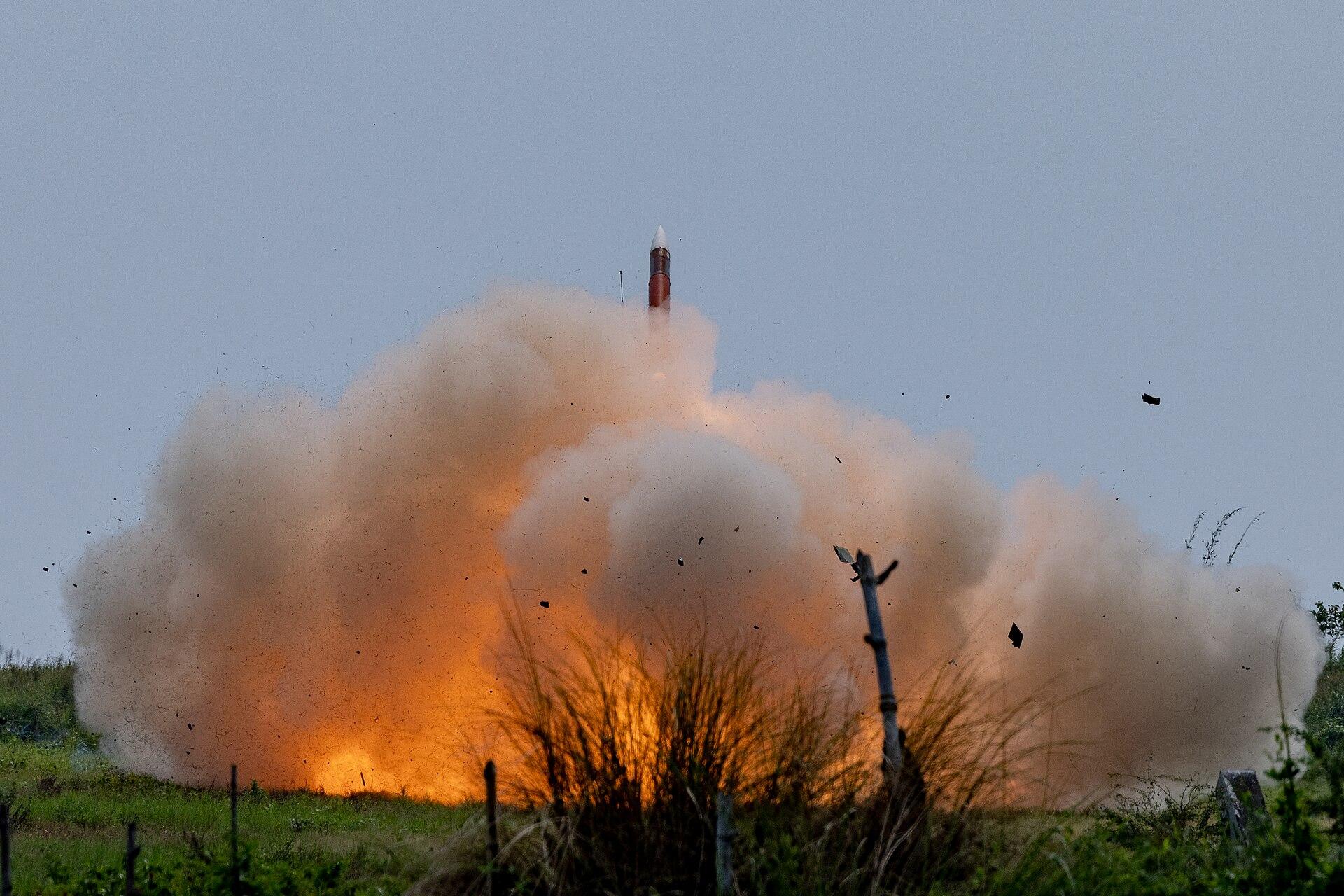
A ballistic missile is powered by a rocket for the first part of its flight, then follows an arcing, largely unpowered trajectory to its target, like a thrown object. Long-range types, such as the US Minuteman III intercontinental ballistic missile, leave the atmosphere and re-enter at very high speed. Their path is predictable once tracked, which is what missile-defense systems exploit, but the speed of re-entry leaves little time to react.
Cruise missiles
A cruise missile flies like a small, uncrewed aircraft, powered for most of its flight by a jet engine. It typically flies low and can change course, using terrain to stay below radar coverage. It is much slower than a ballistic missile but harder to detect early.
Hypersonic weapons
"Hypersonic" means faster than five times the speed of sound (Mach 5). Many ballistic missiles already exceed that speed. What makes the newer category different, according to the Congressional Research Service, is the combination of hypersonic speed with maneuverability at relatively low altitude. There are two main types:
- Hypersonic glide vehicles, launched on a rocket and then gliding toward the target.
- Hypersonic cruise missiles, powered throughout flight by air-breathing engines such as scramjets.
Because they do not follow a predictable arc and fly lower than ballistic warheads, they compress the time defenders have to track and intercept them.
Read the claims carefully
Governments often describe new missiles as "hypersonic" for prestige. A missile that reaches Mach 5 on a ballistic arc is not the same as one that maneuvers at that speed. WARTOON NEWS reports the claim, the claimant, and whether independent analysts agree.
Demonstration content showing the Explainer format.
Sources
- 1.Hypersonic Weapons: Background and Issues for Congress (R45811)
Congressional Research Service · Official / government · Accessed November 24, 2026
- 2.Minuteman III
CSIS Missile Defense Project · Research institution · Accessed November 24, 2026
- 3.LGM-30G Minuteman III fact sheet
US Air Force · Official / government · Accessed November 24, 2026
Spotted an error? Request a correction. Read our editorial standards.