
How Layered Air Defense Works, From Patriot to Short-Range Interceptors
No single system stops every threat. Modern air defense stacks sensors and interceptors in layers, and the economics of each shot now matter as much as the physics.
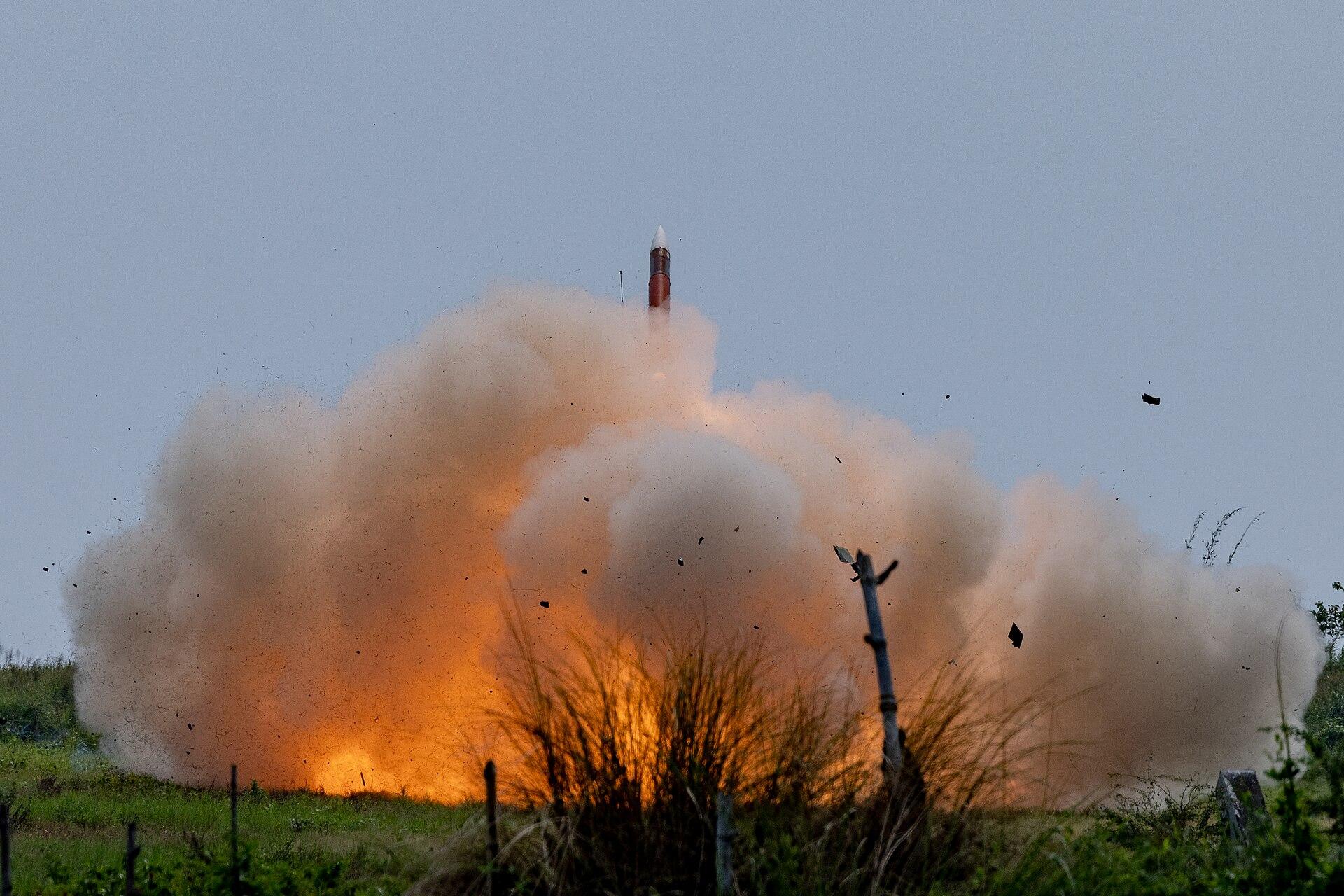
Air and missile defense is usually described as a set of layers. Each layer is designed for a different kind of threat, altitude and range, and the layers share a picture of the sky through networked radars and command systems.
The layers
Upper tier. Systems designed to intercept ballistic missiles high in their flight, sometimes outside the atmosphere.
Lower tier. Systems such as the US-built Patriot, which defends against aircraft, cruise missiles and shorter-range ballistic missiles closer to the target. The Center for Strategic and International Studies (CSIS) Missile Defense Project maintains a public profile of Patriot's variants and interceptors.
Short range. Guns, short-range missiles and, increasingly, electronic warfare and directed-energy prototypes designed for drones, rockets and low-flying threats.
The cost-exchange problem
The hardest question in modern air defense is not only whether an interceptor can hit its target, but whether a defender can afford to keep firing. Long-range interceptors are expensive and produced in limited numbers. Cheap drones and decoys can be launched in large salvos to drain stocks.
That is why defense planners talk about matching the interceptor to the threat: saving expensive missiles for ballistic threats and using guns, cheaper missiles or electronic warfare against drones.
What sources disagree on
Interception rates published during active conflicts are claims by the defending side. They are rarely independently verified at the time, and different parties count partial interceptions, debris and decoys differently. WARTOON NEWS reports such figures with attribution and does not present them as confirmed.
Demonstration content showing the Military Technology Deep Dive format.
| System | MIM-104 Patriot (US Army)(CSIS Missile Defense Project) |
|---|---|
| Role | Lower-tier air and missile defense(CSIS Missile Defense Project) |
| Targets | Aircraft, cruise missiles, short-range ballistic missiles(CSIS Missile Defense Project) |
| Prime contractor | Raytheon (RTX)(CSIS Missile Defense Project) |
Figures are taken from the cited source for each row. Where sources disagree, the article explains the range.
What we know, and how we know it
- Expert analysis
Interception rates announced during active conflicts are usually claims by the defending side and are rarely independently verified at the time.
Attributed to WARTOON NEWS editorial standard.
Sources
- 1.Patriot
CSIS Missile Defense Project · Research institution · Accessed November 24, 2026
- 2.Hypersonic Weapons: Background and Issues for Congress (R45811)
Congressional Research Service · Official / government · Accessed November 24, 2026
Spotted an error? Request a correction. Read our editorial standards.
Related coverage
The B-2 Spirit: The Flying Wing Built to Disappear From Radar

Ballistic, Cruise, Hypersonic: What the Missile Terms Actually Mean
Shahed-Type Drones: What Open Sources Say About the One-Way Attack Drone