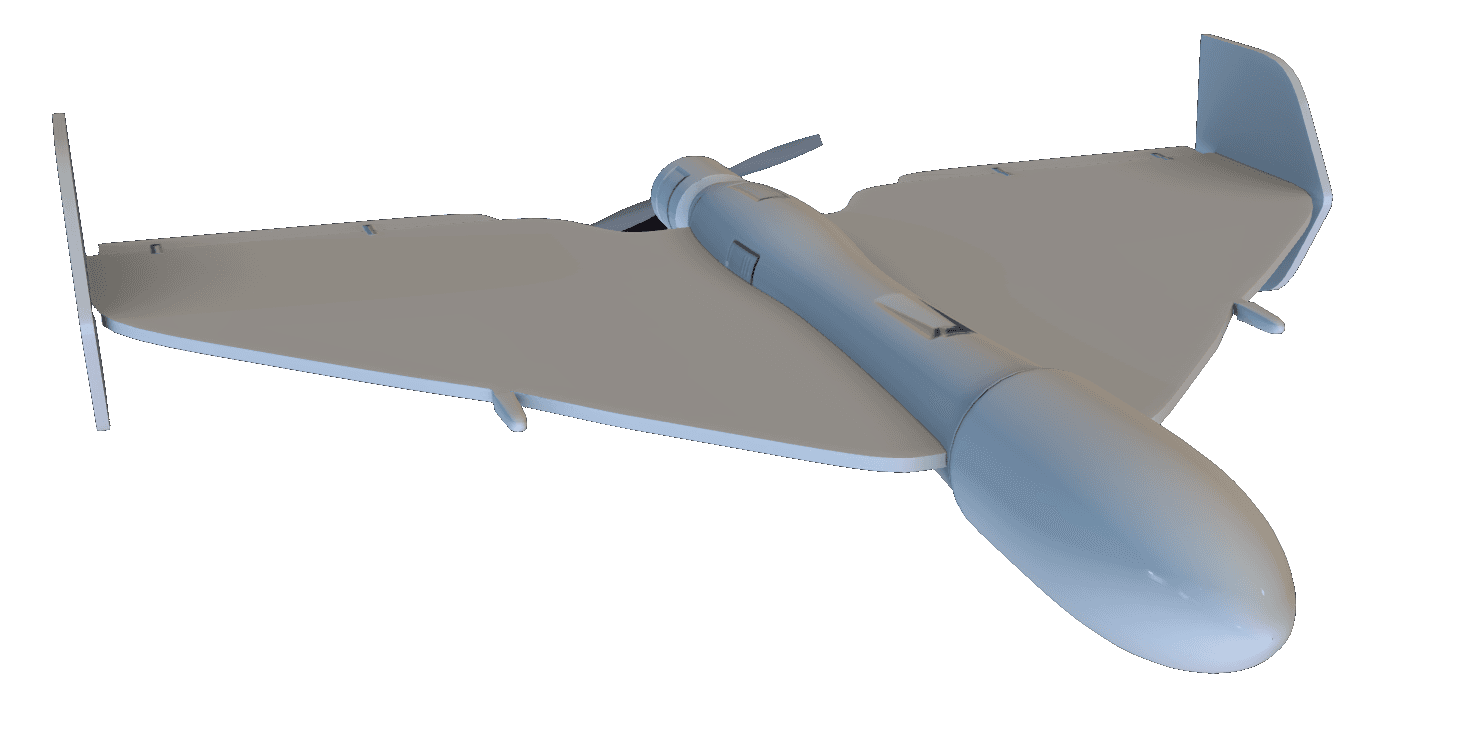
The Drone War: How Cheap Unmanned Systems Changed the Economics of Combat
Small drones costing a few hundred dollars now spot artillery, hunt armor and patrol the front. Armies are reorganizing around them.
Small drones were once niche reconnaissance tools. In Ukraine they became a central part of how both armies fight: commercial-style quadcopters spot targets and correct artillery fire, first-person-view (FPV) drones carry explosives onto vehicles and positions, and larger fixed-wing drones strike far behind the front.
The economics
The defining feature is cost asymmetry. A drone that costs a tiny fraction of the vehicle it attacks can still disable it. That forces defenders to invest in jamming, nets, shotguns and cheaper interceptor drones, and it makes mass production as important as sophistication.
Electronic warfare
Jamming is the main countermeasure, and both sides constantly adapt frequencies, navigation and control links. Some drones are now guided by fiber-optic cables to avoid jamming entirely.
Other armies are adapting
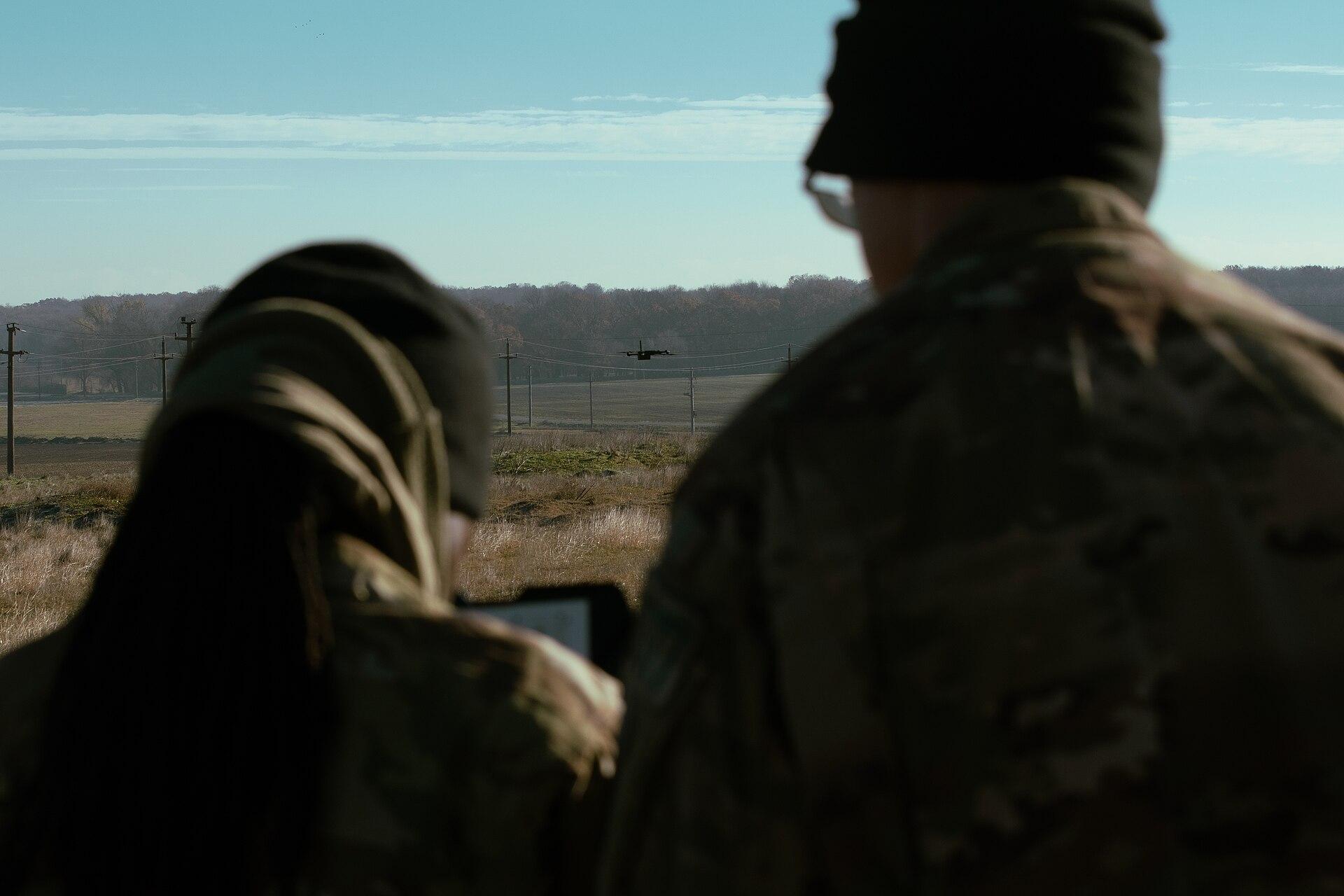
Militaries outside the war are adding drone operator training at small-unit level, as in the US Army training shown above. Doctrine is changing faster than procurement systems are used to.
Demonstration content showing the Analysis format.
Sources
- 1.Conflict in Ukraine
Council on Foreign Relations · Research institution · Accessed November 24, 2026
Spotted an error? Request a correction. Read our editorial standards.
Related coverage
How Layered Air Defense Works, From Patriot to Short-Range Interceptors
The B-2 Spirit: The Flying Wing Built to Disappear From Radar
Ballistic, Cruise, Hypersonic: What the Missile Terms Actually Mean